Freshwater Fishing: Beginner's Guide to Gear & Technique
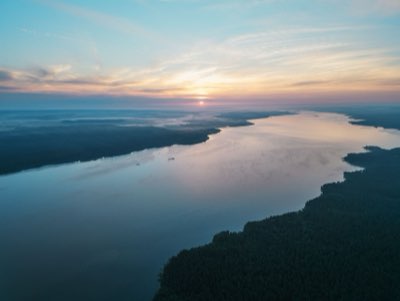
"The water is still, the morning mist clings to the surface of the lake, and suddenly, the tip of your rod jerks violently toward the water."
Freshwater fishing is the perfect blend of quiet contemplation and sudden, heart-pounding excitement. It offers a way to escape the noise of daily life while providing a tangible sense of accomplishment when a fish finally strikes.
Key Takeaways
* Freshwater fishing balances the immediate "hand feel" excitement with the long-term goal of successful angling. * Success depends on matching your gear to the specific environment and the fish you are targeting. * True enjoyment comes from both the peacefulness of the water and the thrill of the catch. * You can start with a very low budget and grow your gear as your skills improve.
Why Freshwater Fishing? Bridging the Gap Between Hobby and Skill
The sun was just beginning to peek over the treeline at a local state park pond when I first cast a line into the water. There was no salt spray in the air and no massive waves to fight, just the gentle ripple of the water meeting the shore.
According to the Food and Agriculture Organization, the world harvest in 2005 consisted of 93.3 million metric tons captured by commercial fishing in wild fisheries, plus 48.1 million metric tons produced by fish farms.
For many, the ocean represents the ultimate fishing frontier, but the logistics of saltwater fishing—dealing with tides, heavy gear, and unpredictable swells—can be overwhelming for a beginner. Freshwater fishing provides a much more accessible entry point.
You can find a pond, a lake, or a slow-moving river in almost any community, making it easy to practice without a massive time commitment.
This hobby satisfies two distinct human desires: the need for immediate, visceral fun and the drive to master a challenging skill. The "fun" comes from the sudden tension on the line and the splash of a fish breaking the surface.
The "skill" comes from learning the subtle language of the water and the behavior of the animals living within it. Because the barrier to entry is low, you can focus on learning the fundamentals without the pressure of expensive, specialized marine equipment.
How do I get started? I remember standing in the middle of a local bait shop, staring at a wall of colorful plastic lures and tangled fishing lines, feeling completely lost. I didn't know if I should be looking for a heavy-duty rod or a delicate one, and I certainly didn't know where to go first.
To avoid that feeling, you must first define your goal. Are you going out to sit on a folding chair and enjoy the sounds of nature, or are you looking to test your ability to outsmart a predator? If you want relaxation, a simple setup and a quiet spot are enough.
If you want to maximize catches, you will need to spend more time studying the water and perfecting your casting.
Your first step is location scouting. For a beginner, a local pond or a small, calm lake is often better than a rushing river. Large rivers can be intimidating and difficult to navigate, whereas a pond offers predictable environments and easier access to the water.
For your first trip, don't overpack. Bring the basics: a rod, a reel, some line, and enough bait to get started. Treat the first outing as a "scouting mission" to see how you feel about the water and the movement of the gear.
What gear should I choose? A heavy tackle box sat on the wooden pier next to me, filled with various weights, hooks, and colorful lures that all looked exactly the same to my untrained eyes. I realized then that more gear doesn't necessarily mean more fish; it often just means more clutter.
When selecting gear, the most important factor is the matchup between your rod and reel and the environment. You need to match the "action" of the rod (how much it bends) and the "power" (how much resistance it offers) to the size of the fish you expect to catch.
A heavy rod meant for large bass will be difficult to use if you are trying to catch small panfish in a small pond.
| Component | Beginner Recommendation | Purpose |
|---|---|---|
| Rod Type | Medium Action Spinning Rod | Versatile for various species and easy to cast. |
| Reel Type | Spinning Reel | Easier to manage line tangles than baitcasters. |
| Line | Monofilament | Stretchy and forgiving for beginners. |
| Bait | Live Worms or Minnows | Highly effective and easy to use. |
For those on a budget, you do not need to spend hundreds of dollars on a professional setup. A reliable, mid-range spinning combo is often the best value. You can start with live bait—like worms or bread—which is inexpensive and highly effective at teaching you how to feel a fish strike.
As you get more comfortable, you can transition to artificial lures. Avoid the temptation to buy every shiny gadget in the store; stick to the essentials and grow your collection as your confidence increases.
Mastering the art: Fun vs. Form
The smell of damp earth and the sound of a distant loon created a sense of peace that I hadn't felt in weeks. I sat quietly, watching the bobber dance on the water, realizing that the waiting was just as important as the catching.
There is a difference between "having fun" and "getting good," and a successful hobbyist knows how to balance both.
Having Fun (The Pursuit) The goal here is the experience. Focus on the rhythmic motion of the cast, the beauty of the landscape, and the companionship of a friend.
Set small, low-pressure goals, such as "I want to make ten perfect casts today" or "I want to see how many different birds I can spot." This keeps the focus on the journey rather than the result.
Getting Good (The Skill) When you want to advance, you shift your focus to technique and biology. This involves learning how to read the water and understanding feeding patterns. You might practice casting accuracy or learn how to tie more complex knots.
This is where you move from being a casual observer to a true angler.
Patience is the bridge between these two worlds. There will be long stretches of time where nothing happens. Instead of feeling frustrated, use that time to observe the environment. Watch how the wind moves the weeds and how the shadows shift.
This observation is the foundation of all great fishing skills.
Point Strategy: Where and How to fish
I crouched low behind a fallen log, peering into a patch of lily pads where the water looked darker and deeper than the rest of the pond. I wondered if the fish were hiding in the shadows or out in the open.
To catch fish, you must learn to "read" the water. Fish rarely sit in the middle of a vast, empty space; they look for structure and cover. This can be a fallen tree, a large rock, a patch of aquatic plants, or a sudden change in depth.
These areas provide protection and often house the food the fish are looking for.
Seasonal and daily changes also dictate where fish hold. In the heat of the summer, fish often move to deeper, cooler water or hide under heavy shade. In the cooler mornings or evenings, they may move into shallower areas to feed.
Understanding these behaviors allows you to predict where the fish will be. Always look for the "edge"—the transition zone between deep and shallow water, or between weeds and open water. This is where the action most often happens.
Rookie Pitfalls and the Safety Net
I looked down at my tangled line and the empty hook, realizing I had cast too hard and caught a branch instead of a fish. It was a humbling moment that every beginner eventually faces.
One of the biggest traps is the "wrong gear" mistake. Using a heavy, cumbersome rod for a small pond or a line that is too thick for delicate lures leads to immediate frustration and a loss of interest. Always research the target species and the environment before you buy.
Another critical area is environmental and legal responsibility. Always check local fishing regulations and obtain the necessary licenses before you head out. Additionally, practice proper catch-and-release techniques if you do not plan to keep the fish.
Handle the fish with wet hands to protect their protective slime coating, and avoid holding them up by the gills.
A Checklist for Your First Trip: 1. License and ID: Ensure you have your legal permits and identification. 2. Basic Tool Kit: Small pliers (for hook removal), line cutters, and a small tackle box. 3. Safety Gear: Sunscreen, insect repellent, and a basic first-aid kit. 4.
Polarized Sunglasses: These help you see through the water's surface glare to spot structure and fish. 5. Water and Snacks: Staying hydrated and energized is key to a long day on the water.
By keeping your gear simple and your expectations grounded, you turn a potential frustration into a lifelong passion. The water is waiting.




Comments 0