Embroidery small goals guide Fun embroidery small goals tips
"The goal of a hobby is not to master it, but to find joy within the process."
Embroidery is a relaxing way to create art through needle and thread, but the secret to long-term enjoyment lies in starting with small goals rather than complex patterns. To enjoy this craft, you should focus on tiny projects like handkerchiefs or coasters to prevent early burnout.
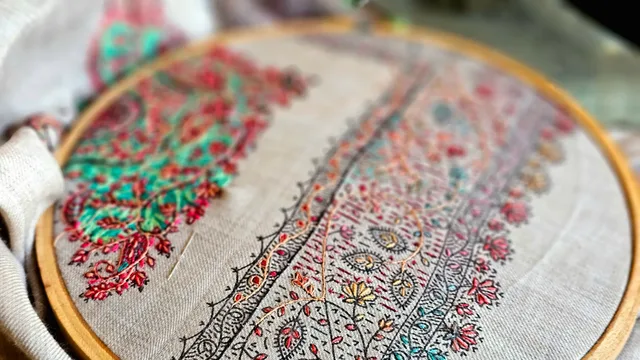
This guide helps you navigate the transition from a beginner to a confident stitcher.
How to make first embroidery piece?
A soft cotton cloth rests under the bright lamp as you pull a single thread through the fabric. To make your first embroidery piece, you must prioritize manageable projects that offer immediate satisfaction.
Beginners often struggle when they attempt large, intricate tapestries without mastering basic tension first.
Finding the right balance between difficulty and skill is essential for staying motivated. I remember my first attempt at a simple floral pattern; I felt overwhelmed by the detail until I switched to a small 5-inch hoop.
By focusing on small art goals sewing, you reduce the pressure of perfectionism. Instead of aiming for a masterpiece, try creating a single textured leaf or a geometric shape. This approach allows you to practice beginner stitching tips without the stress of a massive undertaking.
| Project Type | Skill Focus | Time Commitment |
|---|---|---|
| Handkerchief | Basic Stitches | Low |
| Coaster | Texture Variation | Moderate |
How do I set tiny craft targets? Fun embroidery small goals
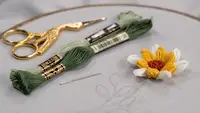
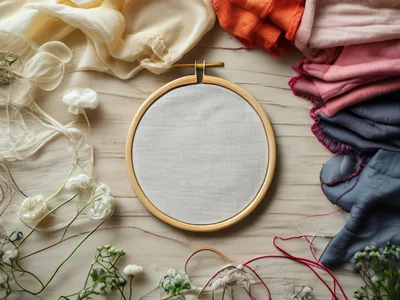
A wooden hoop sits on the table while you carefully select a single strand of silk thread. To ensure you keep the hobby fun, you must implement effective enjoyable needlework start strategies. Large projects can feel like chores if you do not break them down into digestible segments.
Setting tiny craft targets means deciding to finish just one small section per session. If you focus on a single flower rather than an entire bouquet, the sense of accomplishment arrives much faster.
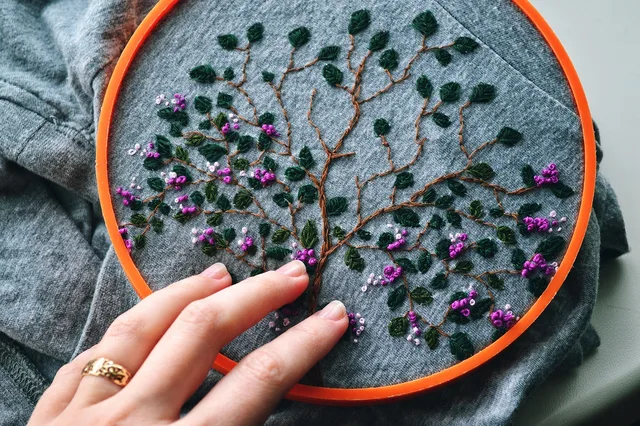
This method keeps the momentum going and prevents the frustration of seeing a half-finished work for months. When you prioritize small wins, the hobby remains a source of relaxation rather than a growing to-do list.
What are simple steps for new stitchers?
The needle glides through the fabric, leaving a trail of color behind it. To move from curiosity to active practice, follow these structured steps to build a foundation:
- Select a small embroidery hoop and a piece of stable cotton fabric. 2. Choose a basic stitch pattern, such as a straight stitch or a satin stitch. 3. Practice the tension of your thread to ensure the fabric does not pucker.
I found that checking the tension of the fabric after every few stitches was the most important part of my early learning. Once you have completed these steps, you are ready to explore more complex textures.
How to find enjoyment in embroidery?
The rhythmic sound of the needle piercing the cloth provides a meditative backdrop to a quiet evening. To find enjoyment in embroidery, you must separate the desire to be "good" from the desire to have fun. Many people quit because they compare their messy stitches to professional works seen online.
Focusing on the tactile sensation of the thread and the quietness of the task is the core of the hobby. You can also explore enjoyment through communal sharing or individual recording.
Some find joy in documenting their progress in a sketchbook, while others prefer joining local groups to share techniques. The focus should always remain on the process of creation rather than the final product's perfection.
What are the limits of this approach?
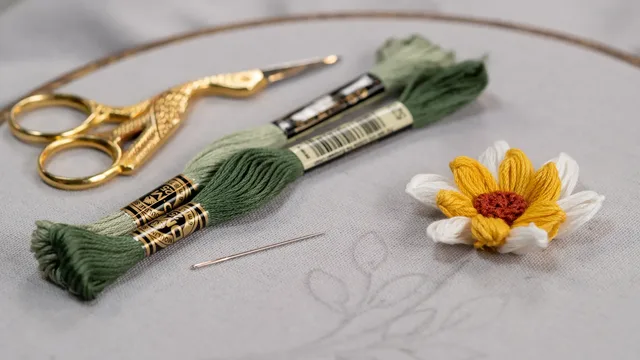
A single loose thread hangs from the edge of a finished coaster, showing the delicate nature of the craft. While small goals are effective for beginners, this approach is not a substitute for formal technical training if your objective is professional certification.
This method is designed specifically for those seeking relaxation and creative expression through small-scale projects.
- How to make first embroidery piece?
- How do I set tiny craft targets?
- What are simple steps for new stitchers?
The subject here is Fun embroidery small goals.
The same subject is also called Easy craft projects ideas.
Related
- Embroidery tips beginner embroidery guide enjoy process
- Soap making guide best tips for beginners 20%
When should I reassess my embroidery goal?
- Reassess your goal when the initial excitement subsides and the project feels stagnant. 2. Compare the current project's complexity against the initial, small goals you established. 3. Determine if the current focus still aligns with finding joy within the process of your hobby.
If the current project demands significantly more time than anticipated, consider returning to a simpler project type, such as a handkerchief, to reset your sense of accomplishment. This comparison helps manage expectations regarding the scope of your creative endeavor.
What happens if I try to rush my hobby?
Rushing the hobby often leads to tension issues in the fabric, which can cause puckering during the stitching process. When you prioritize speed over careful execution, the quality of the stitches suffers noticeably.
The caution here is that focusing solely on quick completion undermines the intended relaxation aspect of the craft. A hurried approach negates the benefit of having small goals, as the focus shifts from enjoyment to mere output.
This situation necessitates a return to the foundational steps, such as practicing thread tension, before proceeding further with the current piece. The initial goal of finding joy must take precedence over any perceived timeline.



Comments 0