Record collection guide: Why select music for focus best
"A collection is not merely a pile of objects, but a curated history of personal taste and cultural resonance."
Building a record collection within a fixed volume requires selecting music based on specific listening moods rather than mass accumulation. This guide helps hobbyists prioritize quality over quantity by categorizing albums by use case, such as focus, relaxation, or social gatherings.
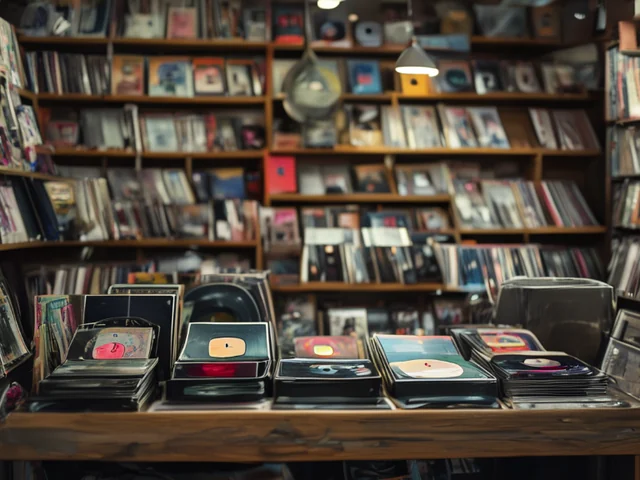
You should avoid buying every trending release to prevent clutter, and remember that a collection's depth is limited by your physical storage space and specific sonic preferences.
How to start your record collection guide?
You stand in a dimly lit corner of a local shop, fingers brushing against the textured sleeves of various jazz and rock albums. The scent of aged paper and heavy vinyl fills the air as you weigh the merits of a single pressing against a dozen mediocre releases.
To begin a successful record collection guide, you must define the specific role each record plays in your home environment.
Instead of chasing every new release, focus on building a foundation of albums that serve distinct emotional or functional purposes. A well-curated selection prevents the frustration of having a large volume of music that you never actually play.
By selecting records that match your specific living space and listening habits, you ensure that every addition provides value.
- Define your musical budget.
- Visit local independent record stores.
- Test the sound quality before purchasing.
In this sequence, the second step is the longest.
Which records will help me focus best?
The needle drops softly on a quiet lounge record, and the room transforms into a calm sanctuary for deep work. You settle into your chair, the steady rhythm of a minimalist ambient album providing a seamless backdrop for concentration.
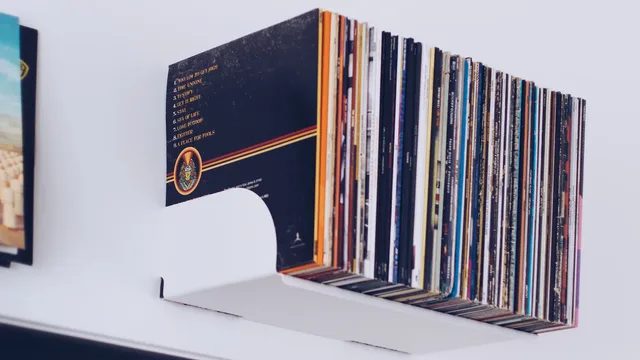
Finding the best records for focus involves seeking out long-form compositions that lack jarring transitions or sudden vocal shifts.
Selecting music for productivity requires an understanding of how certain frequencies interact with your mental state. Instrumental jazz, classical movements, or ambient electronic works are ideal because they do not compete with your internal monologue.
When you curate for focus, you are looking for sonic consistency that supports, rather than disrupts, your cognitive flow.
How to enjoy vinyl fun through curation?
You carefully slide a heavy gatefold sleeve out of its protective plastic, feeling the weight of the wax in your hands. The tactile sensation of handling a physical object makes the listening experience a deliberate ritual rather than a background activity.
To learn how to enjoy vinyl fun, you must embrace the intentionality that comes with the format.
This hobby thrives on the connection between the physical art and the auditory experience. Rather than treating music as a disposable stream, treat each record as a centerpiece of a sensory event.
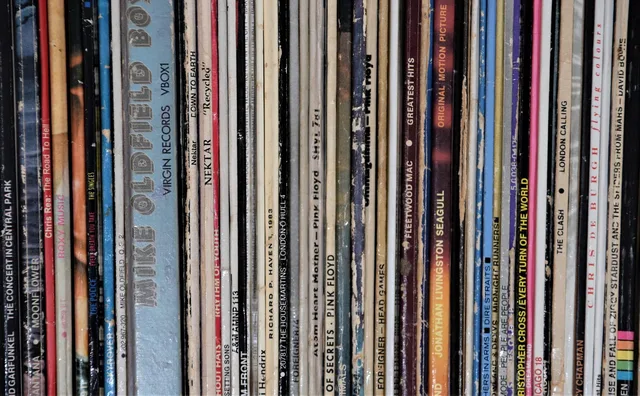
This approach encourages you to sit, listen, and appreciate the nuances of the analog sound, turning a simple afternoon into a meaningful engagement with art.
What gear do I need for steady sound?
You adjust the tonearm with precision, ensuring the stylus makes perfect contact with the spinning groove. The warmth of the output flows through the speakers, filling the room with a balanced and reliable frequency response.
Using equipment for steady sound means investing in stability, from a level turntable base to a high-quality preamp.
Consistency in audio playback is the hallmark of a serious hobbyist. You do not need the most expensive setup immediately, but you do need components that minimize vibration and distortion.
A steady sound allows the subtle details of your curated collection to emerge, rewarding your careful selection process with clarity.
Can you use vinyl hobby selection tips for different spaces?
You move a small crate of records from the living room to a compact bookshelf in the bedroom. The physical constraints of your home dictate how many albums you can realistically own and display.
Using vinyl hobby selection tips helps you manage these spatial limitations by prioritizing high-impact pieces.
When space is at a premium, every inch of shelving must be earned by the quality of the music.
- Categorize your current holdings by frequency of play. 2. Identify "anchor" albums that define your musical identity. 3. Implement a one-in, one-out rule to maintain a fixed volume.
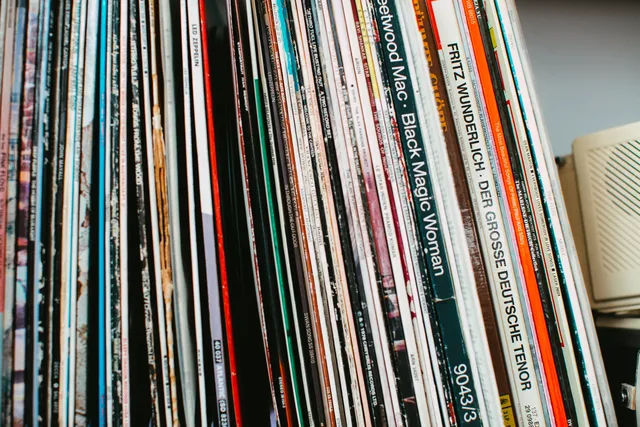
I find that checking my shelf space before every trip to the record store prevents the clutter that often ruins the joy of collecting. If you find that your collection is growing too fast for your storage, you may need to reconsider your acquisition pace.
Comparing collection styles
| Collection Type | Primary Goal | Storage Requirement |
|---|---|---|
| Functional | Specific moods | Low to Moderate |
| Aesthetic | Visual and sonic impact | High |
The same subject is also called Fixed volume record buying.
The same subject is also called Home audio record guide.
The same subject is also called Crafting music collection.
Related
FAQ
Which records are best for focus?
How can I manage a fixed volume collection?
Related posts
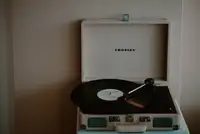
Home record label guide: Tips for vinyl organization

Collectables market 360 billion Start collecting cheap tips

Easy houseplant guide: Why select hardy plants for beginners





Comments 0