Easy drone start guide: Tips for drone flight duration 20
"The sky is no longer a distant frontier but a workspace for those who understand the tools of flight."
Navigating the world of unmanned flight requires understanding both technical capabilities and the shifting landscape of global regulations. This guide provides an easy drone start guide for those looking to transition from casual observers to active pilots.
Key takeaways include understanding regulatory shifts, recognizing hardware limitations like flight time, and preparing for security-focused industry changes.
How can I find an easy drone start guide?
A pilot stands in an open field, adjusting the propellers of a new device while checking the battery levels on a handheld controller. An easy drone start guide begins with understanding the fundamental relationship between hardware capability and operational environment.
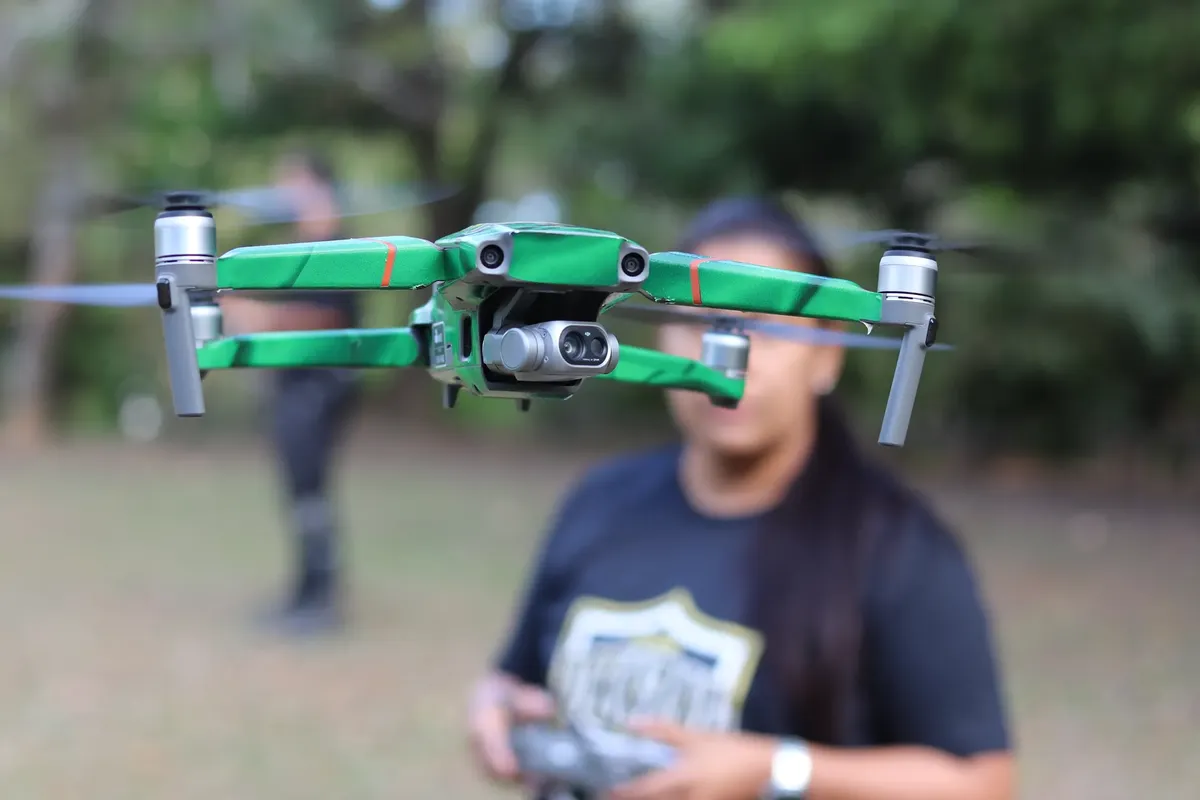
You must balance the desire for advanced features with the practical reality of flight limitations.
One critical factor is the flight duration of the equipment. The average flight time for a drone is about 20 minutes, meaning your mission planning must account for this window. Relying on a single long-distance flight without considering the return trip is a common mistake for those just starting.
Success requires matching your flight goals to the actual energy capacity of your device.
Effective drone beginner tips involve mastering manual controls before relying on automated flight modes. While automation helps with stability, understanding how the aircraft reacts to wind and throttle is essential for safety.
Learning these basics ensures that you can handle unexpected changes in weather or signal interference.
- Search for beginner-friendly tutorials online.
- Review basic flight controls and safety protocols.
- Practice in a controlled, open space.
What are the best drone for all situations?
A technician examines a sleek, foldable aircraft, comparing its weight to the strictness of local aviation laws. Finding the best drone for all needs involves selecting a platform that matches your specific use case, whether it is photography, racing, or inspection.
As reported by The International Civil Aviation Organization, the International Civil Aviation Organization (ICAO) began exploring the use of drone technology as far back as 2005, which resulted in a 2011 report.
The hardware must be reliable enough to handle the mission but simple enough to operate safely.
Regulatory history shows that hardware choices are often influenced by government decisions. For instance, the US Interior Department grounded its fleet of DJI drones in 2020, while the Justice Department prohibited the use of federal funds for the purchase of DJI and other foreign-made UAVs.
These decisions highlight how political and legal environments can impact your equipment choices.
When considering drone first steps now, you must research the legal status of specific brands in your region. Ownership is not just about having the device; it is about having the right to fly it.
Always verify if your chosen manufacturer faces restrictions that could limit your ability to fly in certain jurisdictions.
In this order, the second step is the longest.
How do I manage drone selection criteria guide?
A buyer sits at a desk, looking at various spec sheets and comparing the sensor quality of different models. A thorough drone selection criteria guide focuses on the balance between portability, flight time, and sensor technology.
The Interior Department grounded its fleet of DJI drones in 2020, while the Justice Department prohibited the use of federal funds for the purchase of DJI and other foreign-made UAVs, according to the Interior Department.
You need to decide if you prioritize a compact design for travel or a larger frame for stability and payload capacity.

Market dominance can influence the availability of parts and support. By 2017, DJI alone had over 75% of the global consumer drone market share.
This high concentration means that while parts are easy to find, users must be aware of the specific regulatory scrutiny that comes with widely used platforms.
A drone hobby cost breakdown should include not just the initial purchase, but also maintenance, extra batteries, and potential software updates. Because flight times are limited, you will likely need multiple batteries to sustain an afternoon of activity.
Budgeting for these extras is a vital part of the initial planning process.
What are the essential drone practice tips for pros?
A pilot wearing goggles performs a low-altitude hover, carefully tracking the movement of the aircraft through a headset. Professional-level drone practice tips for pros focus on muscle memory and situational awareness.
Even as you become proficient, you must constantly practice in different lighting and wind conditions to maintain control.
Safety and security are becoming central to professional operations. In April 2024, DJI launched a Trust Center that publishes updates on third-party audits and certifications, along with information on security measures and privacy controls implemented in its drones.
Staying informed about these security updates is part of modern professional maintenance.
Effective flight management involves regular hardware checks. Before every takeoff, inspect the propellers for cracks and ensure the software is up to date. A sudden software glitch or a mechanical failure can turn a routine flight into a significant accident.
How do I navigate the drone first steps now?
A group of students gathers around a flight instructor, watching as a small quadcopter lifts off from a landing pad. Taking your drone first steps now requires a disciplined approach to learning. You should start in wide-open spaces with no obstacles to build confidence in your stick movements.
Follow these three steps to begin:
- Perform a pre-flight inspection of all physical components and battery levels. 2. Practice hovering at various altitudes and distances in a controlled environment. 3. Execute basic maneuvers like forward, backward, and lateral movements while maintaining visual line of sight.
After completing these steps, perform a final check of your flight area to ensure no people or unexpected obstacles are nearby. This sequence builds the foundational skills necessary for more complex missions.
Can I use these tools in any environment?
A researcher looks at a map, marking areas where flight might be restricted due to proximity to sensitive sites. It is important to recognize that certain conditions can limit the effectiveness or legality of your flight.
Not all tools are suitable for every environment, regardless of their technical specifications.
A limitation of current technology is that flight time remains a significant constraint. The average flight time for a drone is about 20 minutes, which limits the radius of exploration for any single mission.
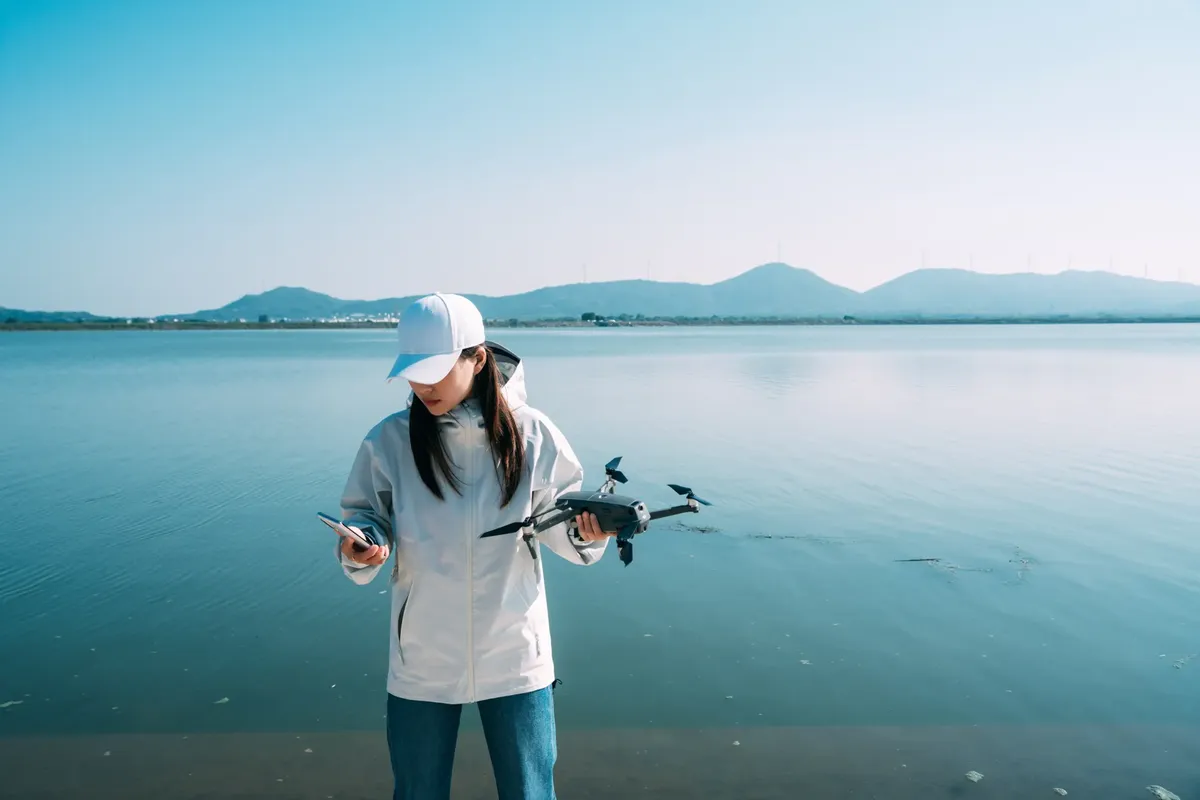
This factor must be factored into every flight plan to avoid losing an aircraft due to power exhaustion.
Is there a legal risk to certain brands? Yes, certain brands face specific legal restrictions in certain regions. For example, the US Justice Department prohibited the use of federal funds for the purchase of DJI and other foreign-made UAVs.
Should I check security features? Yes, understanding security is vital. In April 2024, DJI launched a Trust Center that publishes updates on third-party audits and certifications, along with information on security measures and privacy controls implemented in its drones.
The ability to fly depends on a combination of technical skill, hardware reliability, and an understanding of the legal landscape. While the technology offers vast opportunities, users must remain mindful of flight time limits and changing international regulations.
Related




Comments 0