Traditional music guide: Why enjoy traditional music
"To understand the soul of a nation, one must listen to the melodies that traveled through generations before we were born."
People often ask why enjoy traditional music when modern pop dominates the airwaves. It serves as a living bridge to history, offering a sense of identity and a deeper connection to ancestral roots through unique rhythmic and melodic structures.
This guide explores the cultural value in music, the unique music development style of folk traditions, and the process of appreciating music's past to understand how these sounds remain relevant today.
Why enjoy traditional music for cultural identity?

A researcher sits in a quiet library, tracing the lineage of a melody that has survived centuries of change. Traditional music acts as a vessel for history, preserving the stories and values of a community through sound.
The cultural importance of these traditions is often recognized on a global scale. According to Wikipedia, in 2019, Irish harping was inscribed on the Representative List of the Intangible Cultural Heritage of Humanity by UNESCO, recognizing its cultural importance.
This recognition highlights how music serves as a cornerstone of human heritage.
Understanding the music history hobby requires looking at how these sounds shape community bonds. By engaging with these old melodies, listeners find a way to ground themselves in a rapidly changing world. This connection provides a sense of continuity that modern genres sometimes lack.
How does music development style influence modern tastes?
At dusk, the student taps a rhythm on the desk as the traditional music development style shifts in his ears.
A student of music theory examines the intricate shifts in pitch and rhythm that define a specific regional style. The music development style of folk traditions often involves organic evolution, where melodies change slightly with every performer while maintaining a core identity.
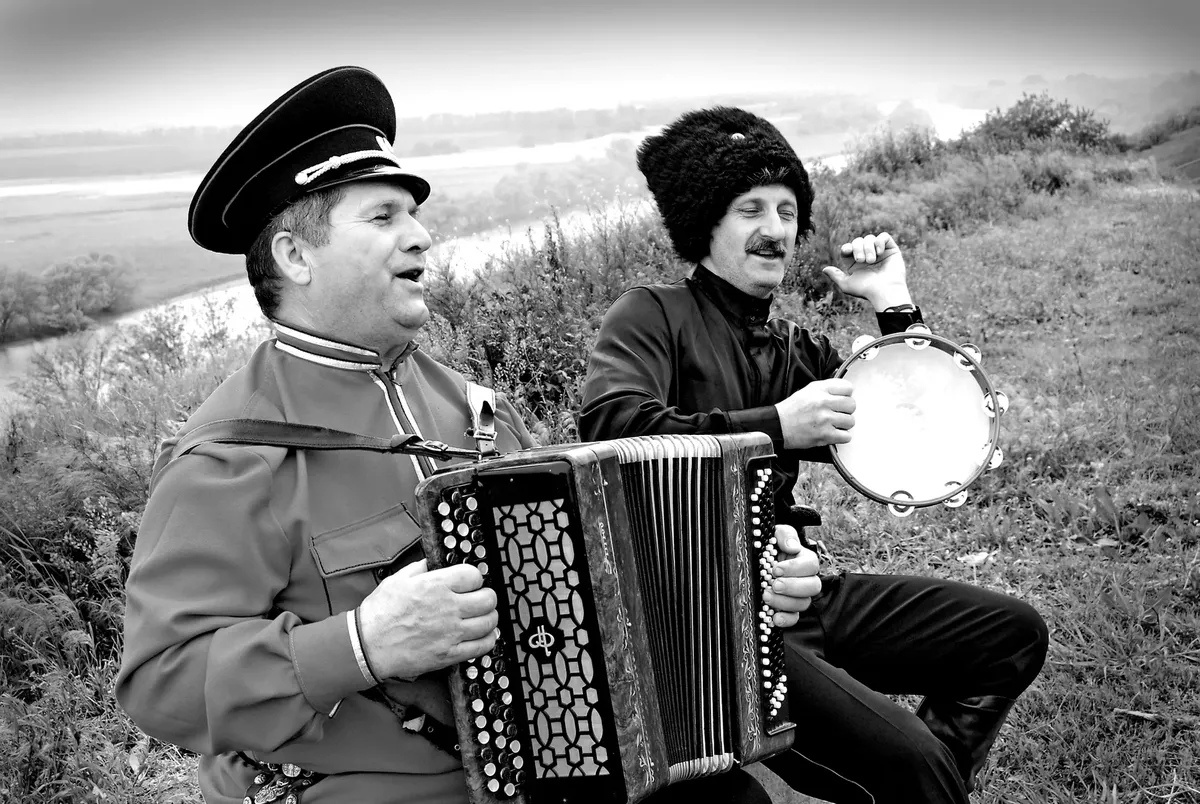
This evolution ensures that the music remains a living entity rather than a static museum piece. For instance, the way certain instruments or vocal techniques are passed down creates a unique sonic fingerprint for different regions.
This variety keeps the genre fresh and engaging for new generations.
People often find themselves drawn to the authenticity of these sounds. The fun of old music lies in its ability to convey raw human emotion without the need for electronic production. This authenticity allows listeners to experience a direct, unmediated connection to the past.
Exploring the process of appreciating music's past
A listener puts on a pair of headphones, closing their eyes to focus on the subtle nuances of a traditional folk song. To truly understand the music's past, one must look beyond the surface and examine the social contexts that birtient these sounds.
The process of appreciating music's past involves learning about the instruments, the social gatherings where the music was played, and the stories behind the lyrics. This deep dive turns a simple listening session into an educational journey.
- Research the historical context of the specific genre or region you are listening to. 2. Learn about the traditional instruments used and how they produce their unique tones. 3. Listen to various artists within the same tradition to hear how individual styles vary.

I once spent an entire afternoon comparing different regional harping styles to see how geography influenced the strings. This comparative approach helps one see the diversity within a single tradition.
What are the tools for understanding music rules?
A musician adjusts the tuning of a stringed instrument, ensuring every note aligns with the traditional scales of their culture. Understanding music rules in a traditional context often means learning non-standard scales or rhythmic patterns that differ from Western classical norms.
The complexity of these rules adds a layer of intellectual engagement to the listening experience. For those interested in the technical side, the study of these structures can be quite rewarding.
| Aspect | Traditional Focus | Modern Focus |
|---|---|---|
| Structure | Oral tradition and repetition | Written notation and production |
| Evolution | Community-driven changes | Industry-driven trends |
One might find that the rigidness of modern production makes the fluid nature of traditional music more appealing. The lack of a single "correct" way to play can make the genre feel more human.
How can we preserve these traditions?
An archivist carefully places a fragile manuscript into a protective sleeve, preserving the notation for future generations. Preservation involves both the physical safeguarding of instruments and the oral transmission of songs from elders to the youth.
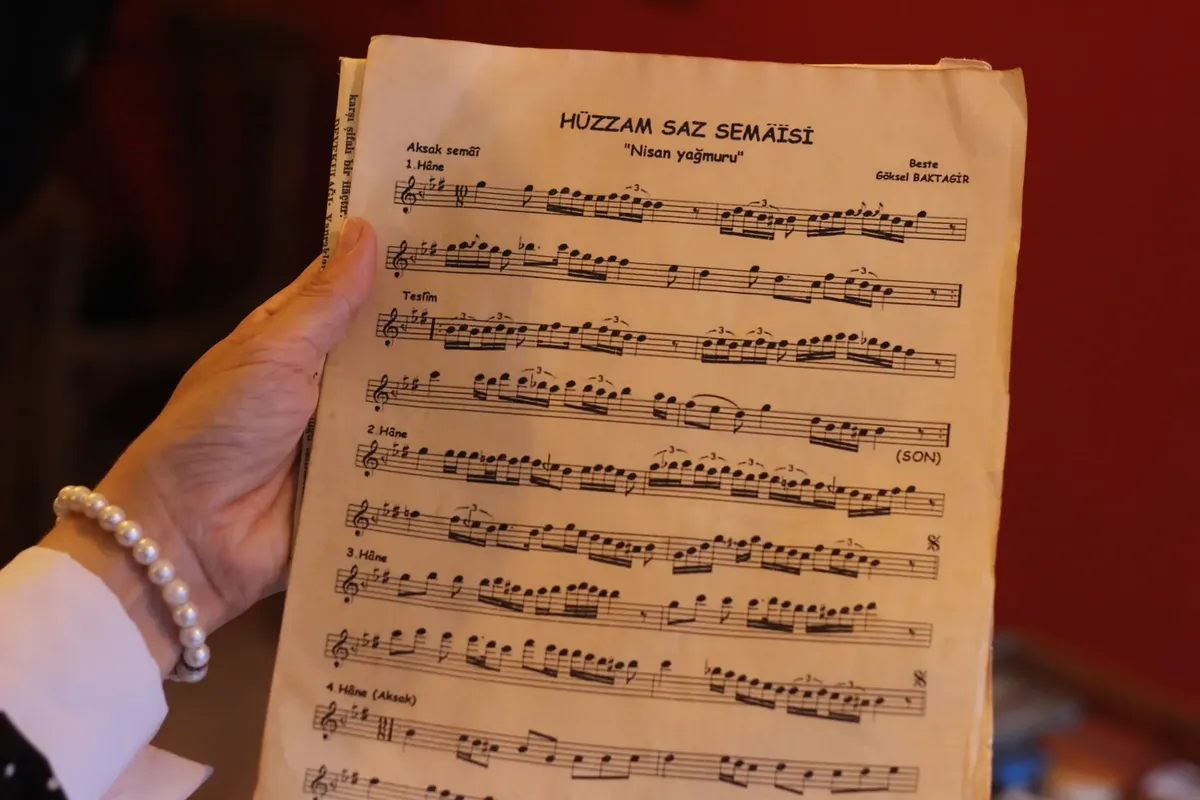
Institutions and community events play a vital role in this process. For example, the Irish Traditional Music Archive and events like Tradfest Temple Bar have been stated as important in fostering visibility of the LGBTQ+ community within Irish traditional music.
Such spaces ensure that diverse voices remain part of the living tradition.
The goal of preservation is not to freeze the music in time but to provide a stable foundation for it to continue growing. Without these structures, the nuances of the music might be lost to the passage of time.
Related
- Board games guide: Why enjoy board games for fun
- Game setup pros and cons: Why historical trends matter most
How does the soul of a nation reflect in its melodies? 1. The melodies that traveled through generations before we were born reveal the soul of a nation. 2. Traditional music functions as a living bridge to history, which offers a sense of identity. 3. Unique rhythmic and melodic structures within this music connect listeners to ancestral roots. 4. This deep connection allows one to understand the soul of a nation through its soundscape.
What conditions allow music to remain relevant? 1. The organic evolution inherent in the music development style ensures the music remains a living entity. 2. The variety created by passing down specific instrumental or vocal techniques keeps the genre engaging for newer generations. 3. The ability of old music to convey raw human emotion without electronic production fosters relevance. 4. This authenticity permits a direct, unmediated connection to the past, which helps us understand the soul of a nation.
When appreciating music's past, one must recognize that the cultural value in music extends beyond mere entertainment. The social gatherings where the music was performed provided the necessary environment for its development.
This context is crucial for anyone wishing to understand the soul of a nation through its musical expression.
The comparison between traditional and modern focuses on structural differences. Traditional music relies on oral tradition and repetition, whereas modern music often utilizes written notation and production. This divergence in methodology shapes how listeners perceive the music's enduring spirit.
To truly understand the soul of a nation, one must heed the caution that the depth of traditional music is confined by the historical and cultural contexts available in existing records. This limitation underscores the importance of diligent research when engaging with these ancient sounds.





Comments 0