Board games guide: Why enjoy board games for fun
"A cardboard box on a wooden table can become a gateway to another world, where strategy and friendship collide."
This guide explores why these tabletop activities remain a staple hobby, how to begin your journey, and the difference between casual play and competitive mastery.
Why enjoy board games?
A group of friends gathers around a table, spreading colorful cards and wooden pieces across the surface. The air fills with quiet concentration and the occasional laugh as a player makes a decisive move.
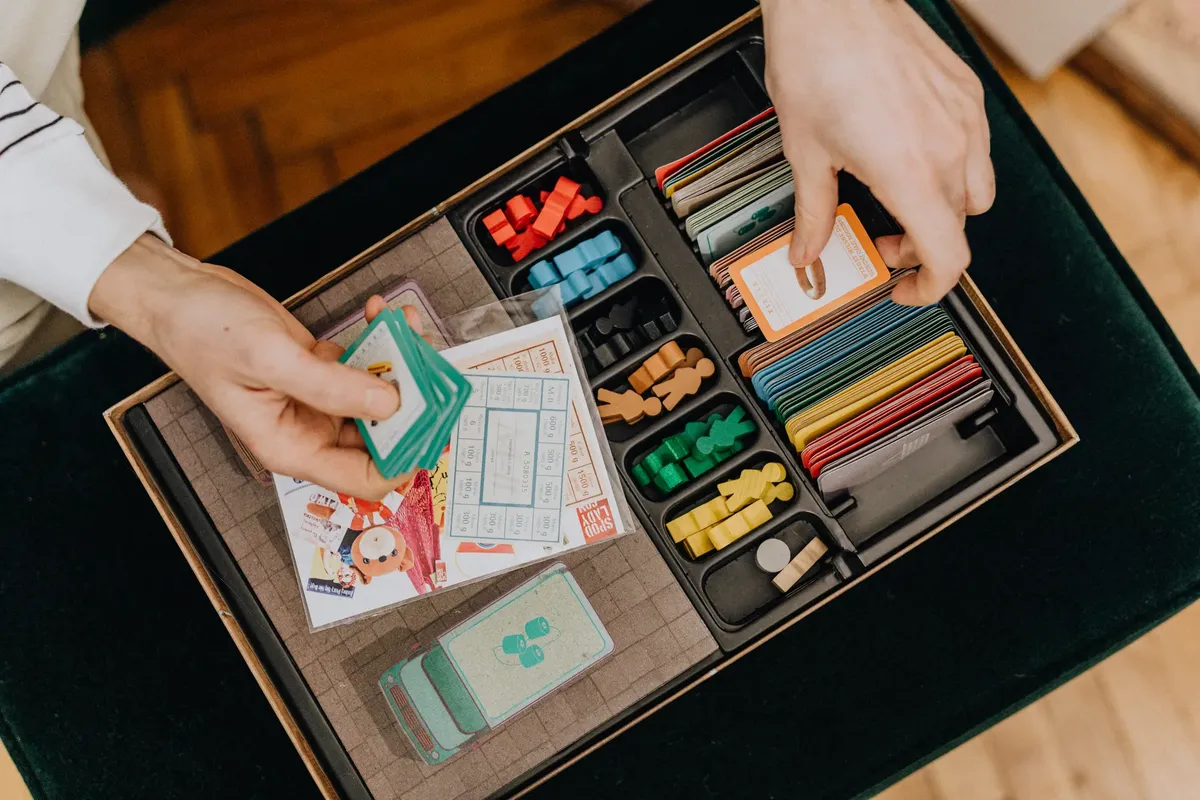
Board game fun reasons often stem from the ability to step into a different reality through structured rules.
For many, the board game hobby appeal lies in the physical presence of other people, offering a tangible break from digital screens.
Game interaction enjoyment happens when players must negotiate, compete, or cooperate to reach a common goal.
How to start your first game
A hand reaches into a box to carefully set up a game board, placing small tokens in their starting positions. The initial setup is a ritual of anticipation, marking the transition from the mundane to the playful.
Starting this hobby does not require a massive collection or a dedicated gaming room. You can begin by exploring local game cafes or joining small gatherings with friends who already own games.
- Identify your preferred play style, such as cooperative games where everyone works together or competitive games where players vie for victory. 2. Start with "gateway games" that have clear rules and moderate complexity to build confidence. 3. Join a local gaming group or community to learn through observation and guided play.
A final check of the rulebook ensures everyone understands the boundaries of the game before the first move is made.
Gathering your supplies and budget
A player examines the contents of a new box, feeling the texture of the cards and the weight of the dice. Choosing the right components can make the tactile experience much more engaging.
You do not need a large budget to enjoy tabletop gaming. While some collectors spend heavily on premium editions, many people find joy in much simpler setups.
| Category | Low-Budget Option | Premium Option |
|---|---|---|
| Component Type | Card-based or lightweight games | Large-scale miniature or heavy box games |
| Setup Requirement | Small table or portable surfaces | Dedicated gaming table or large room |
I remember my first time sitting at a table with a heavy box, feeling both intimidated and excited by the sheer amount of material. Choosing a smaller, card-based game is a great way to test the waters without a significant financial commitment.
How to enjoy the game without pressure

A player smiles as they lose a round, realizing the laughter of the group was more important than the score. This mindset turns a simple game into a lasting memory.
The goal of casual play is to enjoy the process rather than the result. To keep things light, focus on the narrative of the game or the funny moments that arise during play.
* Set small, personal goals, such as trying a new strategy or simply learning the mechanics, rather than just winning. * Share your experiences by talking about your favorite moments with your group after the session ends. * Keep the atmosphere friendly by focusing on the joy of the activity itself.
A limitation of this approach is that it may not satisfy players who crave high-stakes competition or deep technical mastery.
How to improve your skills
A player sits quietly, studying the board and calculating several moves ahead with intense focus. This is the transition from casual play to serious hobbyist engagement.
For those who want to move beyond casual play, developing mastery requires a different approach. If you wish to improve, you must treat the hobby as a skill-based pursuit.
- Study the game mechanics deeply to understand the underlying math and probability. 2. Practice specific strategies in solo play or against experienced players to refine your decision-making. 3. Participate in local tournaments or community events to test your skills against different styles of play.
I once spent an entire afternoon just practicing one specific movement pattern to see how it affected the late-game outcome.
Avoiding common beginner mistakes
A newcomer looks confused at a pile of tokens, realizing they missed a crucial rule during the setup. Avoiding these pitfalls makes the transition into the hobby much smoother.
Beginners often make mistakes that can disrupt the flow of the game or lead to frustration. Being mindful of these issues helps maintain a healthy gaming environment.
* Avoid overcomplicating the game by trying to use advanced strategies before you understand the basic rules. * Do not neglect the social aspect; a game is a shared experience, and being too aggressive can alienate players. * Ensure you read the entire rulebook before starting to prevent mid-game confusion.

One common mistake is buying overly complex games too early, which can lead to frustration if the rules are too difficult to manage.
- People engage in board games to experience tactical depth, social interaction, and the satisfaction of overcoming mental challenges.
- The primary reason people seek out this hobby is the unique blend of mental stimulation and social connection.
- Strategy in board games provides a sense of agency and consequence that few other hobbies offer.
The subject here is Why enjoy board games.
This part also covers How game rules matter.
This part also covers Choosing the right game.
This part also covers Board game evolution story.
Related
- Game setup pros and cons: Why historical trends matter most
- Cloud Gaming Market: Gaming gear selection guide
When does casual play transition to competitive mastery? This transition occurs when a player shifts their focus from the enjoyment of the process to the pursuit of optimal outcomes.
- A player begins to study the game mechanics deeply, seeking to understand the underlying probability. 2. The player starts practicing specific strategies, moving beyond simple enjoyment. 3. The player participates in tournaments, testing their refined decision-making against others.
The initial satisfaction derived from a group gathering around a cardboard box on a wooden table changes when the desire for victory outweighs the desire for camaraderie. This shift requires the player to adopt a more rigorous, skill-based mindset.
What are the risks of starting too advanced? Starting with overly complex games presents a risk of immediate frustration for the newcomer. The initial barrier to entry becomes too high when the rules demand too much upfront comprehension.
When a player attempts advanced strategies before grasping the basic rules, the game's flow can become disrupted. A cautious approach suggests beginning with gateway games to build a foundation of understanding before tackling intricate systems.
The tactile experience of handling the wooden pieces and colorful cards can be a powerful draw, but this engagement must be balanced with rule comprehension. If the rules are too difficult to manage, the initial excitement surrounding the cardboard box can quickly dissipate.
Board games Based on the retained excerpt mentioning Museum of Board: (updated Dec 2023) 2 Museum of Board Games, Newent, United Kingdom.




Comments 0