Freshwater Fishing: Beginner's Guide to Gear & Technique
"The water is still, the morning mist clings to the reeds, and suddenly, the line snaps tight."
Freshwater fishing is the perfect blend of quiet contemplation and sudden, heart-pounding adrenaline. It offers an accessible way to connect with nature while providing a tangible sense of accomplishment through every tug on the line.
Key Takeaways: * Freshwater environments are highly accessible and serve as an ideal training ground for fundamental skills. * Success requires matching your specific gear to the local species and water conditions.
* The hobby offers two distinct paths: the meditative peace of the pursuit and the technical challenge of the catch.
Why Choose Freshwater Fishing?
The sun begins to peek over the treeline at 6:00 AM, casting long shadows across a glassy lake. I sit on a folding stool, the only sound being the gentle lap of water against the muddy bank.
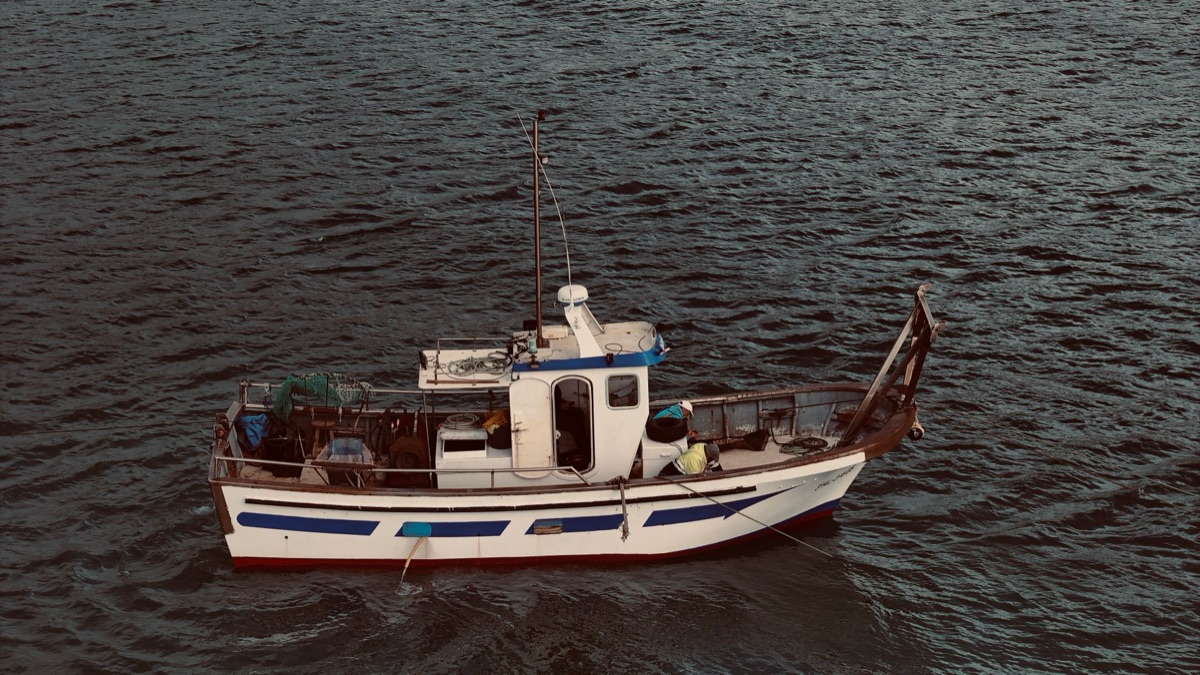
According to the Food and Agriculture Organization (FAO), the world harvest in 2005 consisted of 93.3 million metric tons captured by commercial fishing in wild fisheries, plus 48.1 million metric tons produced by fish farms.
According to a 2018 report by the United Nations Food and Agriculture Organization, 33.1% of world fish stocks are subject to overfishing.
Freshwater fishing is often more approachable than saltwater angling because the environments—ponds, lakes, and rivers—are frequently closer to home and less unpredictable than the ocean.
While sea fishing involves battling massive tides and heavy swells, freshwater allows a beginner to focus on the nuances of casting, lure presentation, and reading the water.
This hobby offers a dual reward system. There is the "thrill of the catch," where the sudden strike of a bass or trout provides an instant dopamine hit, and there is the "peace of the pursuit," a meditative state where the rhythmic motion of casting becomes a form of moving meditation.
Because the variables are slightly more controlled than in the ocean, you can actually see the progress in your own skills.
Getting Started: Your Beginner's Roadmap
I remember my first trip, standing on a wooden pier with a cheap spinning rod, feeling completely overwhelmed by the sheer number of colorful plastic lures in my tackle box. I didn't know where to cast or what the fish were actually looking for.
To avoid that initial paralysis, you must start with clear goal setting. Decide whether your primary goal is to simply relax in nature or to actively hunt for a specific trophy fish. Separating "having fun" from "catching fish" prevents frustration when the bites aren't happening.
Your first step should be local exploration. Instead of driving three hours to a remote wilderness, visit a local park pond or a nearby river. Identify the local species first. Knowing whether you are targeting panfish, bass, or trout will dictate every decision you make moving forward.
If you are unsure, consider renting gear from a local bait shop to test the waters before committing to a heavy investment.
Gear Guide: Choosing Your Tackle Box Wisely
The weight of a heavy tackle box in my hand felt like a promise of success, but as I opened it, I realized I had no idea how to actually use the tools inside.
Matching your gear to your target is the most important technical skill in the early stages. You don't need a professional-grade setup to start, but you do need the right type of equipment for the environment.
| Gear Category | Purpose | Beginner Tip |
|---|---|---|
| Spinning Rod & Reel | Versatile, easy casting | Great for almost all freshwater species. |
| Bait (Natural) | High success rate | Use worms or leeches for easy, effective fishing. |
| Lures (Artificial) | Skill-based, repetitive | Use soft plastics or crankbaits to mimic prey. |
| Line (Monofilament) | General purpose | Easy to tie knots and has good stretch. |
How to Select Your Basics: 1. Match the Rod to the Fish: Use a medium-action rod for general purposes. It has enough "give" to prevent breaking light line but enough strength to pull in a decent-sized bass. 2. Understand Line Weight: Use monofilament line for beginners.
It is much more forgiving when you make mistakes with knots or casting tension. 3. Choose Your "Weapon": If you want easy success, go with natural bait like nightcrawlers. If you want to practice technique, choose artificial lures like spinnerbaits or soft plastic worms. 4.
Budget Strategy: Don't buy the most expensive setup immediately. A mid-range combo (rod and reel together) is often better value than buying a high-end rod and a low-end reel.
Mastering the Spot: Where and How to Fish
I stood at the edge of a moving river, watching the current swirl around a fallen log. I knew the fish were likely hiding in that dark, moving water, but I didn't know how to reach them without getting my line tangled in the branches.
Understanding water structure is the key to moving from "just casting" to actually "fishing." In still water like ponds or lakes, fish often congregate around "structure"—fallen trees, lily pads, docks, or submerged rocks.
In moving water like rivers, fish often sit in "eddies" (calm pockets behind rocks) or in deeper pools where the current slows down.
* Depth Strategy: Fish behavior changes with the temperature. In warmer months, fish often move to deeper, cooler water during the heat of the day. In cooler months, they may move toward the shallows to feed. * sThe "Hold and Wait" vs. "Active" Approach: If you are using heavy bait, you might sit patiently. If you are using moving lures (like a crankbait), you must actively work the water by moving your rod tip to mimic a swimming fish. * Reading the Surface: Watch for ripples or bubbles. Even if you don't see a fish, the way the water moves can tell you where the current is strongest and where the "resting spots" are located.
Beyond the Catch: Finding Your Rhythm
The sun began to set, turning the lake into a sheet of orange gold. I hadn't caught a single thing in three hours, but as I sat there, listening to the wind in the pines, I realized I hadn't felt this calm in months.
There are two ways to approach this hobby: the "Fun" way and the "Skill" way. Both are valid, but they require different mindsets.
The "Fun" Approach (The Zen Path): Focus on the sensory experience. Enjoy the rhythmic "whir" of the reel, the arc of the line through the air, and the quietness of the morning. If you go into a session purely for the relaxation, you can never truly "fail" to have a good time.
Use this method to de-stress and reconnect with the outdoors.
The "Skill" Approach (The Mastery Path): This is for those who want to improve. Focus on refining your casting accuracy, learning how to tie complex knots, and studying fish biology.
* Practice Muscle Memory: Work on your casting distance and accuracy in an open field before moving to tight riverbanks. * Keep a Logbook: This is the most underrated tool. Write down the date, the weather, the water temperature, the lure used, and where you caught the fish.
Over time, these notes become a "map" of success. * Study Behavior: Learn why a fish might strike a lure at noon but ignore it at dusk. Understanding the "why" turns a lucky catch into a repeatable success.
Common Pitfalls to Avoid
I looked at my tangled line, a frustrated knot that had taken twenty minutes to undo, and realized I had tried to cast too far into the wind without checking my setup first.
As noted by the FAO, the world harvest in 2005 consisted of 93.3 million metric tons captured by commercial fishing in wild fisheries.
Avoid these common beginner mistakes to keep your hobby enjoyable:
* Over-Gearing: It is tempting to buy every shiny new gadget. Resist this. A single, reliable rod and a versatile tackle box are better than ten pieces of cheap, low-quality gear. * Ignoring Regulations: Always check local fishing licenses and seasonal restrictions. Respecting the environment and the law is part of being a responsible angler. * The "Silence is Failure" Fallness: Many beginners think that if they aren't catching fish, they are doing it wrong. Sometimes, the fish just aren't biting. Learning to be content in the silence is a vital part of the hobby. * Improper Fish Handling: If you plan to release your catch, learn how to handle them properly (e.g., wetting your hands first) so you don't harm them. #





Comments 0