Home Cafe Guide: Elevate Your Ritual with 5 Essential Steps
"A great cup of coffee is a momentary luxury, but a great home cafe is a permanent sanctuary."
Transforming a corner of your kitchen into a dedicated coffee station is about more than just caffeine; it is about reclaiming a sense of ritual in a busy world.
Whether you are looking for a quiet morning meditation or a technical challenge to master, the transition from a casual drinker to a home barista offers a unique blend of sensory joy and intellectual satisfaction.
Key Takeaways: * The home cafe is a journey of curation, turning a simple task into a personal retreat. * You can start with minimal investment by focusing on technique rather than expensive machinery.
* Success lies in balancing "fun enjoyment" (the ritual) with "technical mastery" (the science). * A complete sensory experience—sight, smell, and taste—is what elevates a hobby into a lifestyle.
Why Start a Home Cafe? Finding Your Personal Sanctuary
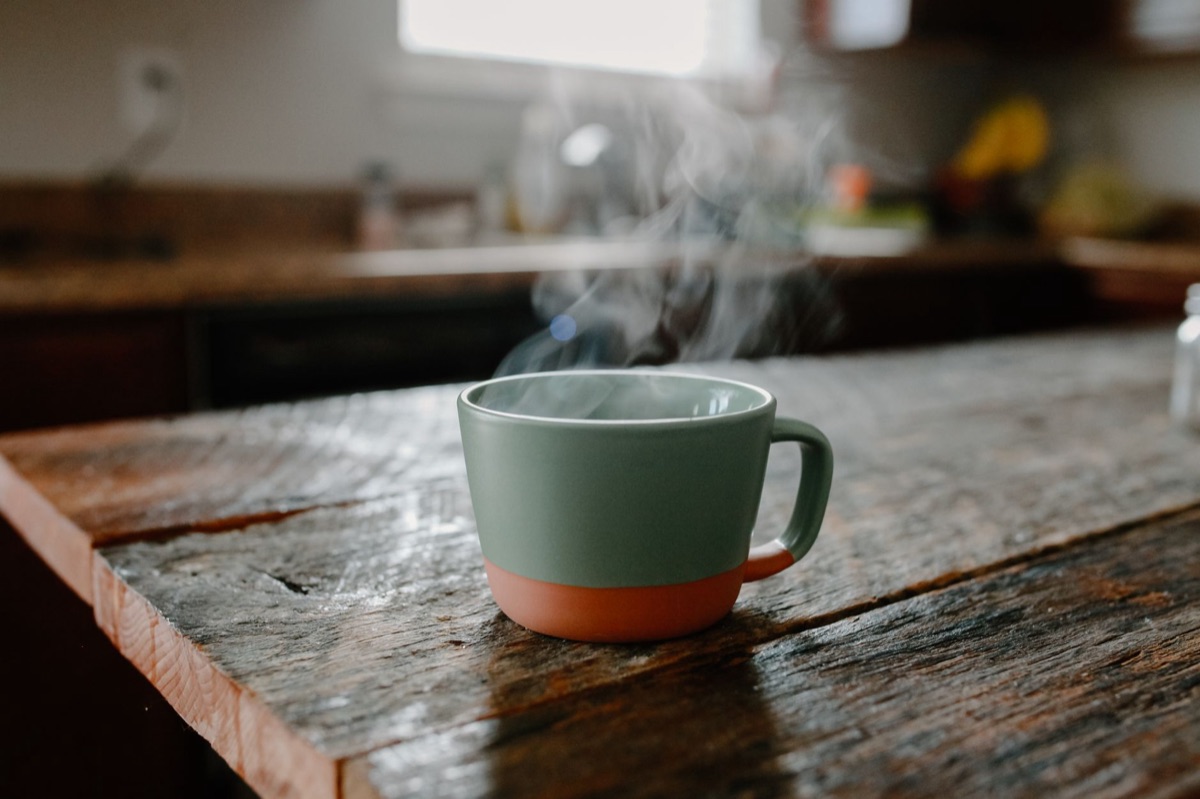
The sun creeps through the blinds at 6:30 AM, hitting a clean wooden countertop where a single ceramic dripper sits waiting. There is no loud espresso machine screaming in the background, just the soft sound of water heating and the quiet anticipation of the first bloom.
A home cafe is not just a hobby; it is the intentional creation of a space. While a standard hobby often ends when you put the tools away, a home cafe transforms your living environment.
It turns a kitchen nook into a sanctuary where you can transition from sleep to wakefulness through a deliberate, tactile process.
The beauty of this pursuit lies in a dual reward system. For some, the joy is in the "play"—the simple pleasure of smelling fresh grounds and enjoying a beautiful latte on a Sunday morning.
For others, the satisfaction comes from the "craft"—the deep, intellectual challenge of mastering extraction variables to achieve a perfect cup.
By establishing this ritual, you create a grounding moment in your daily schedule. It is a way to practice mindfulness without needing to sit still for an hour of meditation.
The act of weighing 18 grams of beans, pouring 300 grams of water, and watching the bloom becomes a way to center yourself before the chaos of the day begins.
But as you move from curiosity to commitment, you will face a choice: do you focus on the gear or the craft?
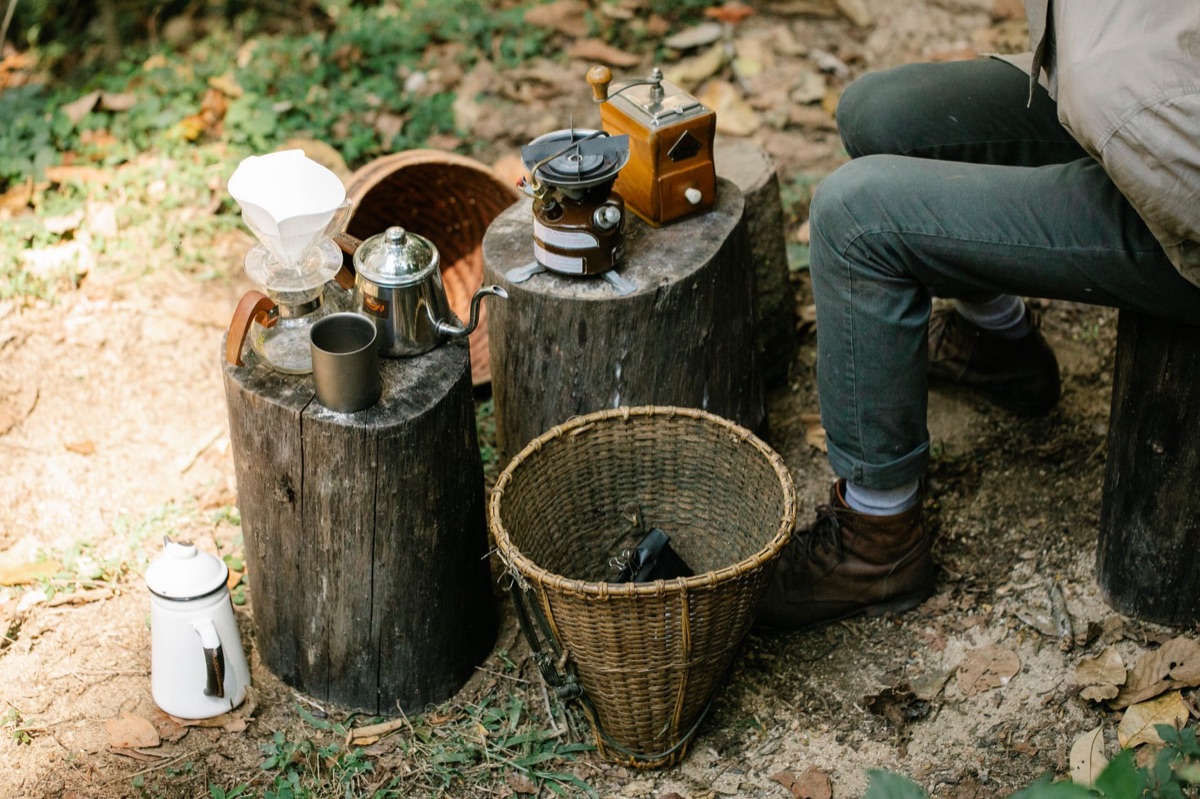
How do I start without committing too much? A bag of medium-roast beans sits on a cluttered kitchen table next to a cheap plastic dripper and a mismatched mug. You pour hot water over the grounds, watching the bubbles rise, wondering why it tastes different every single time you try it.
If you are just starting in 2026, do not feel pressured to buy a $2,000 espresso machine. The "Taste Test" stage is about learning the relationship between water and coffee using what you already have. If you own a basic drip machine or a simple pour-over setup, you have enough to begin.
The goal of this stage is not perfection; it is consistency. To start, focus on dialing in just one variable at a time. For example, spend one week focusing entirely on your water temperature, and the next week focus on your grind size.
By isolating these elements, you begin to understand how they influence the flavor in your cup.
Essential Gear Checklist: What You Need vs. What You Want
When building your station, distinguish between "must-haves" and "nice-to-haves" to avoid budget burnout.
| Item | Necessity | Purpose | Low-Budget Alternative |
|---|---|---|---|
| Burr Grinder | High | Uniform grind size for even extraction | Manual hand grinder |
| Digital Scale | High | Precise measurement of coffee and water | A simple kitchen scale |
| Gooseneck Kettle | Medium | Precise control over water flow | Pouring from a regular kettle using a spoon |
| Pour-over Dripper | High | Versatile brewing method | French Press or AeroPress |
| Glassware | Low | Aesthetic and sensory experience | Your favorite existing mugs |
The First Brew Sequence: A Foundation for Success
To get started with a classic pour-over (like a Hario V60 or a Chemex), follow this basic sequence to build your confidence:
- Rinse the Filter: Place your paper filter in the dripper and pour about 150ml of hot water through it. This removes the paper taste and warms your vessel.
- Measure and Grind: Use a ratio of roughly 15 grams of coffee to 250 grams of water. Grind your beans to a consistency similar to kosher salt.
- The Bloom: Pour just enough water to saturate the grounds (about 30-40g) and wait 30 seconds. Watch the coffee expand; this releases trapped gases.
- The Main Pour: Slowly pour the remaining water in steady, circular motions, avoiding the very edges of the filter.
- The Draw Down: Allow the water to filter through completely. Your coffee should be ready to enjoy within 3 to 4 minutes of the start.
When I first attempted this in my own kitchen, I realized that even a slight tilt of the kettle could ruin the entire flavor profile. It was frustrating, but it taught me that precision is the key to repeatability. However, once you master the basics, you will hit a wall of complexity.
How do I take my skills to the next level? The kitchen is now organized, with a dedicated scale, a precision kettle, and a collection of single-origin beans. You stand over the dripper, eyes focused on the thin stream of water, adjusting your pour by millimeters to hit a specific target.
Once you have mastered the basics, you may find yourself drawn to the pursuit of precision. This is the transition from "making coffee" to "crafting coffee." At this level, you are no longer just following a recipe; you are managing a chemical reaction.
The expert level involves understanding extraction theory. You start looking at how grind particle distribution affects how much flavor is pulled from the bean. You learn that a "bloom" isn't just a visual cue, but a necessary degassing period that prevents sourness.
Your goal shifts from "tastes good" to "reproducible excellence"—the ability to make the exact same perfect cup every single morning.
Beyond the Bean: The Sensory Symphony
A beautiful ceramic cup sits on a linen coaster next to a small plate of almond biscotti. The light catches the crema on the surface of the coffee, and the aroma of jasmine and citrus fills the air.
To truly elevate your home cafe, you must look beyond the coffee itself and consider the sensory experience. A great cup of coffee is part of a larger atmosphere.
* Flavor Pairing: Learn how different roasts interact with food. A bright, acidic Ethiopian light roast might pair beautifully with a lemon tart, while a heavy, chocolatey Sumatran roast calls for a rich pastry. * Presentation: The visual element is vital. Investing in high-quality glassware—like a double-walled glass that shows the clarity of your pour-over—can change your perception of the drink. * Atmosphere: Consider the background. Low-fi beats, jazz, or even total silence can change how you engage with your morning ritual.
But what happens when the perfect cup turns sour?
Phase 3: Troubleshooting Common Pitfalls
A single, bitter sip of coffee hits your tongue at 7:15 AM, causing you to grimace and reach for a glass of water. The beautiful ritual you worked so hard to build feels suddenly ruined by a single faulty variable.
If your coffee doesn't taste right, don't get discouraged. It is usually a sign that you need to adjust a specific variable. In the world of specialty coffee, there is almost always a logical reason for a flavor imbalance.
* If it tastes sour or salty: This is likely "under-extraction." Your water didn't pull enough flavor out of the beans. Try a finer grind or hotter water next time. * If it tastes bitter or dry: This is "over-extraction." You pulled too much out. Try a coarser grind or slightly cooler water. * If it tastes flat or weak: Your coffee-to-water ratio might be too low. Increase the amount of coffee you use for the same amount of water.
Understanding these three states is the difference between a hobbyist and a barista. But there is a limit to how much gear can fix a bad bean.
The Limits of Gear and Technique
It is important to recognize that no amount of expensive equipment can compensate for stale, low-quality beans. If your coffee was roasted more than two months ago, the oils have likely oxidized, and the flavor will be hollow regardless of your technique.
Furthermore, professional-grade equipment can sometimes lead to "analysis paralysis," where you spend more time tweaking settings than actually enjoying your drink. The goal is to serve the coffee, not let the coffee serve your ego.





Comments 0