Plant Care A-Z: Keep Yours Alive, Not Dead After 3 Weeks
"A single green leaf unfurling in a ceramic pot can turn a sterile apartment into a living home."
If you have ever walked into a nursery, felt an immediate rush of excitement, and then watched a beautiful Monstera wither into a brown mess three weeks later, you are not alone. The transition from "plant enthusiast" to "plant killer" is a rite of passage that almost every gardener has faced.
Key Takeaways * Success in plant care is built on observation, not following a rigid calendar. * Improper watering is the primary cause of death for indoor plants, far more often than light issues. * Plants provide a unique psychological sanctuary through the practice of mindful nurturing.
* Beginners should prioritize hardy, adaptable species over "aesthetic" but temperamental varieties.
Why Keep Plants? The Mental Sanctuary of Plant Parenthood
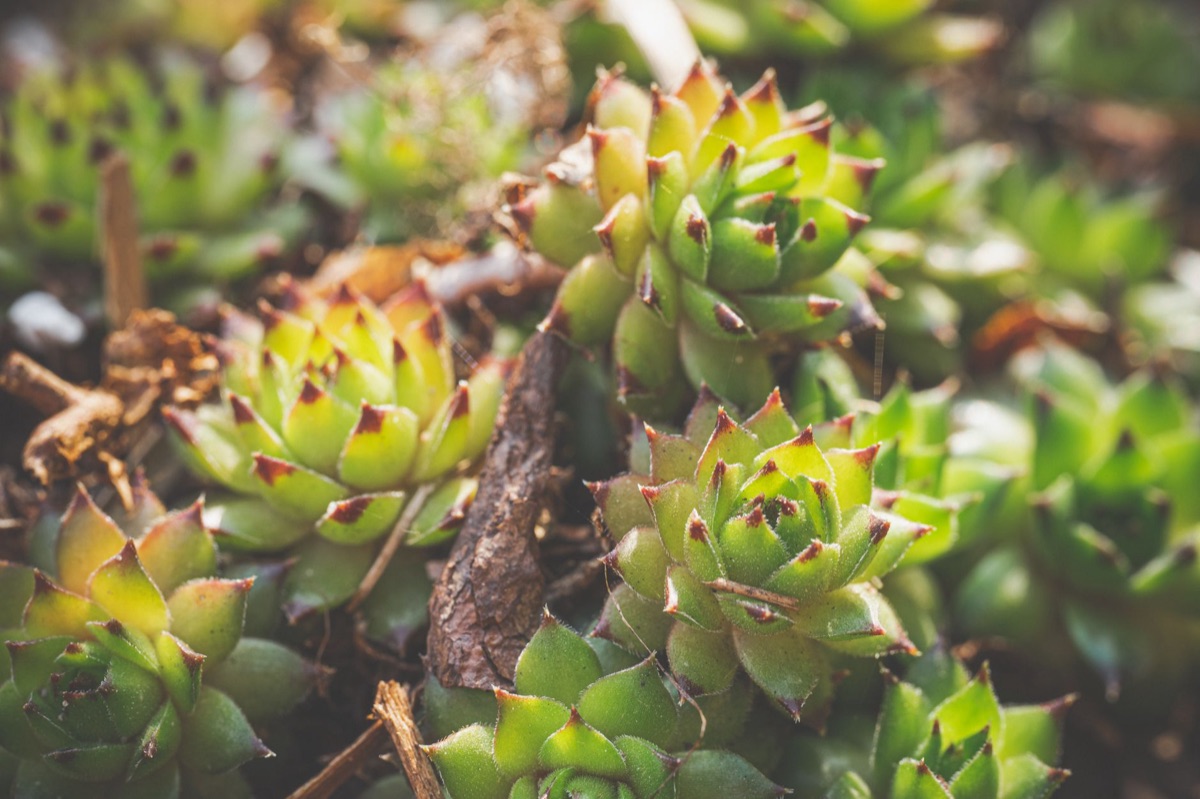
I remember sitting in my first studio apartment in Chicago in the winter of 2022, staring at a single, sad succulent on a windowsill that received far too much direct sun. It felt like a tiny, living reminder of my inability to keep anything alive.
But as I learned to adjust its placement and water it only when the soil felt parched, that small green life became my first successful project. It wasn't just about decor; it was about the quiet satisfaction of keeping a living thing stable.
Bringing nature indoors taps into a fundamental human need. Throughout history, the presence of greenery has been linked to survival and stability.
In fact, the very atmosphere we breathe is a product of biological history; through photosynthesis, early organisms changed the Earth's anoxic atmosphere into one that is now 21% oxygen.
This biological legacy connects us to the plants in our living rooms in a way that is both scientific and deeply intuitive. For many, the hobby is about the "Fun Way"—the simple joy of seeing a new leaf or a tiny flower bloom. It is a low-stakes way to practice responsibility and mindfulness.
For others, it becomes the "Skill Way"—the pursuit of botanical mastery, perfect humidity levels, and rare species.
Both paths are valid, but the most successful hobbyists are those who can balance the two, enjoying the beauty of the plant without letting the desire for perfection cause unnecessary stress. But how do you actually start without spending a fortune or killing everything you buy?
How do I take my very first steps? Walking into a local nursery can be overwhelming. The sheer variety of textures, colors, and sizes can make you feel like you need a degree in botany just to pick a single pot.
I once spent an entire Saturday in 2024 trying to decide between a Snake Plant and a Pothos, only to realize that both were excellent choices for my specific light situation.
To avoid the "buyer's remorse" that leads to dead plants, you must match the plant to your environment, not your aesthetic desires. If you live in a dark apartment with north-facing windows, a high-light tropical plant will struggle regardless of how much you love it.
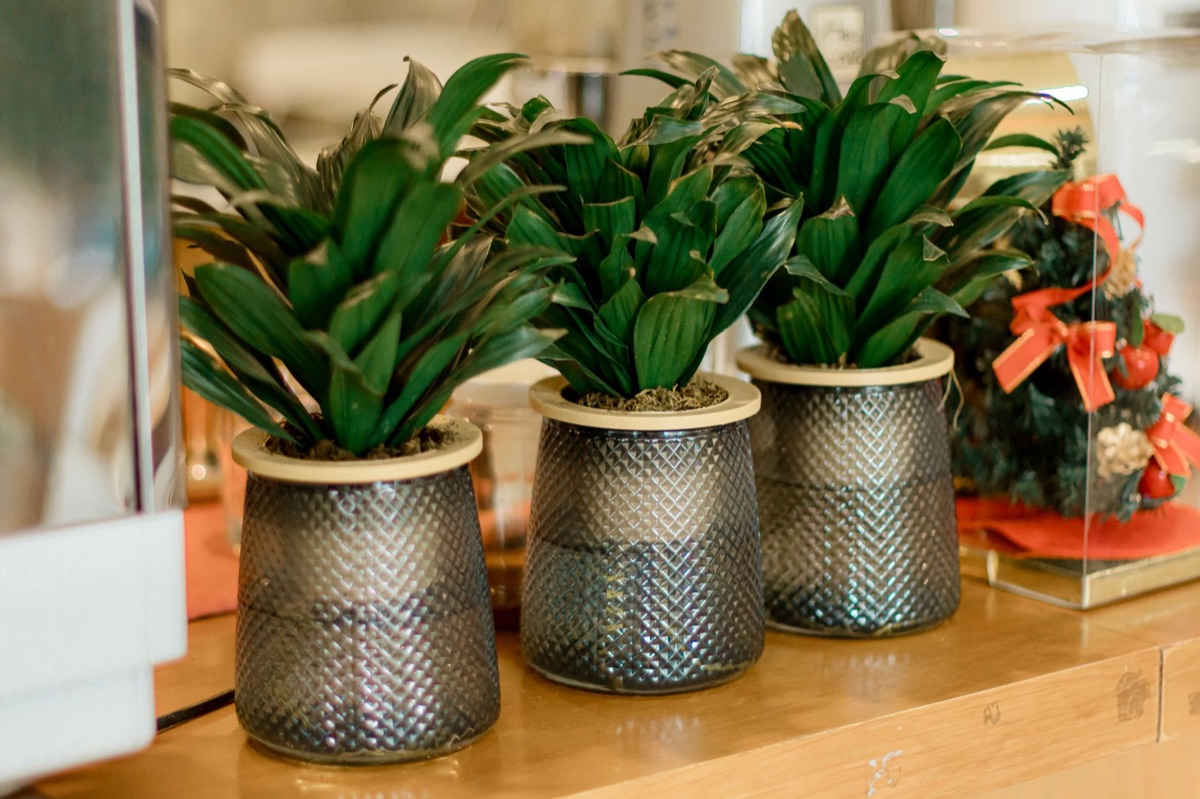
The Essential Trio (The Setup) To start, you only need three fundamental components: 1. The Plant: Choose something resilient. Snake Plants (*Sansevieria*), ZZ Plants (*Zamioculcas zamiifolia*), and Pothos (*Epipremnum aureum*) are legendary for their ability to survive beginner mistakes. 2.
The Pot: This is non-negotiable—your pot must have drainage holes. Without a way for excess water to escape, you are essentially creating a stagnant swamp that will rot the roots. 3. The Soil: Do not just grab dirt from your backyard.
Use a high-quality potting mix designed for indoor plants, which typically contains perlite or peat to ensure aeration.
Avoid the temptation to buy "rare" plants or high-maintenance species like Calatheas during your first month. These plants are sensitive to water quality and humidity fluctuations and are often the culprits behind early hobbyist burnout.
However, even with the right gear, you might still find yourself staring at a dying leaf. What is actually happening inside the pot?
How do I master the basics to keep them alive? It is 7:00 AM on a Tuesday, and you realize you haven't watered your plants in a week. Do you pour a cup of water into every pot to "catch up"? This is exactly how you kill a plant. The sudden deluge can shock the roots and lead to immediate issues.
The single biggest mistake beginners make is watering on a schedule. A calendar is a dangerous tool in plant care because a plant's thirst changes based on the season, the temperature, and the light levels in your home.
The Art of Watering Instead of a schedule, use the "finger test." Stick your finger two inches into the soil. If it feels damp, wait. If it feels dry, water it. When you do water, water deeply until it runs out of the drainage holes at the bottom, then let it drain completely.
This ensures the entire root ball gets hydrated without leaving the plant sitting in a puddle.
Decoding Light Needs Light is food for plants. You should categorize your home into three zones: * Bright Direct Light: Sunlight hits the leaves directly (e.g., a South-facing window).
* Bright Indirect Light: The room is very bright, but the sun does not touch the leaves directly (e.g., near a window with a sheer curtain). * Low Light: The room is dim, but you can still comfortably read a book without a lamp.
Feeding & Maintenance Fertilizer is like a vitamin supplement, not a meal. Only fertilize during the growing season (Spring and Summer) and always dilute the strength to half of what the package recommends to avoid "burning" the roots.
Occasionally wiping the dust off leaves with a damp cloth is also vital; dust blocks sunlight and prevents the plant from breathing efficiently. But once you master the basics, you will face a new challenge: the transition from survival to true growth.
Leveling Up: From Surviving to Thriving (The Advanced Gardener)
You notice a single yellow leaf at the base of your plant. Do you panic and assume the plant is dying, or do you recognize it as a natural part of the life cycle? Learning to read the "language" of leaves is the transition from a beginner to an advanced gardener.
Troubleshooting Common Issues * Yellow Leaves: Often a sign of overwatering. If the leaves are mushy, it is likely root rot. * Brown, Crispy Tips: Usually a sign of low humidity or tap water sensitivity (common in sensitive species).
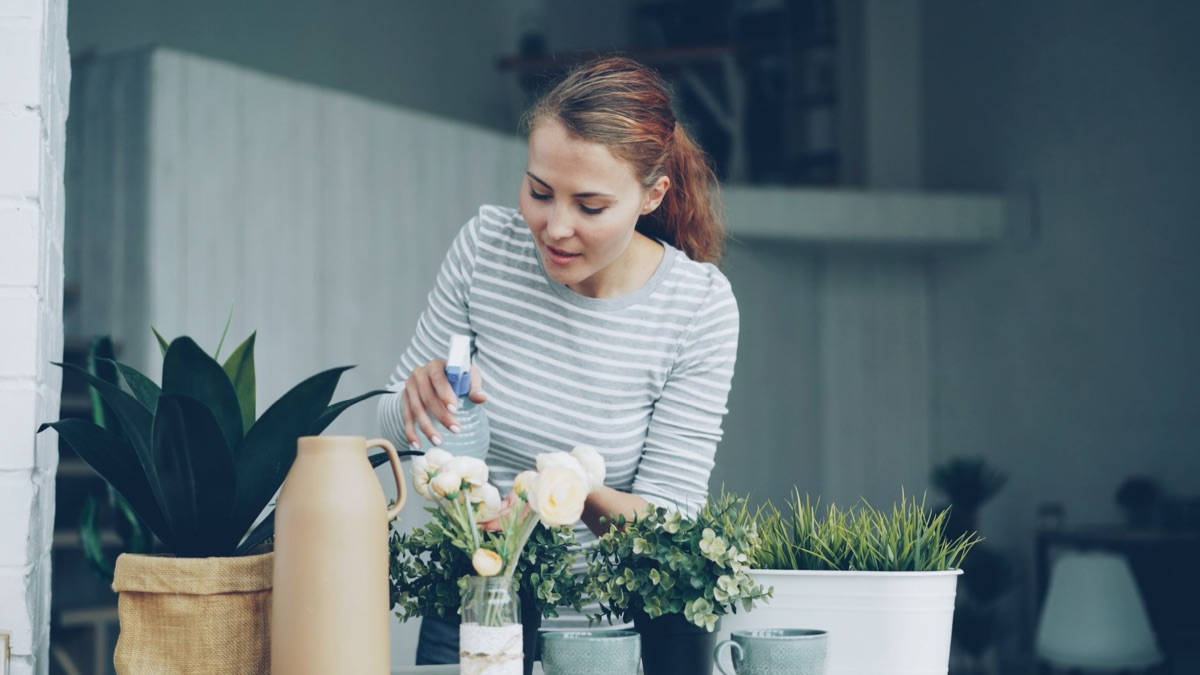
* Pests: If you see tiny webs (Spider Mites) or white, cottony spots (Mealybugs), isolate the plant immediately. Treat them with insecticidal soap or neem oil to prevent a household-wide outbreak.
Environmental Factors and Advanced Care As you grow more confident, you will start to notice how temperature swings affect your plants. Most indoor plants prefer temperatures between 65°F and 75°F. Avoid placing plants directly in front of air conditioning vents or heating units.
Advanced enthusiasts also learn about "repotting." Every year or two, as a plant outgrows its container, you will need to move it to a slightly larger pot with fresh soil.
Do not jump to a massive pot too quickly; a pot that is too large holds too much moisture, which can lead to the same overwatering issues you faced as a beginner. But what does a successful life with plants actually look like in practice?
Beyond Survival: Integrating Plants into Your Life (The Aesthetic & Emotional Payoff)
Imagine walking into your living room after a long day at work. Instead of a sterile, empty space, you are greeted by a lush corner of greenery that seems to breathe with you. The visual impact of plants can completely redefine the energy of a room.
The Decorator's Touch Plants are excellent tools for interior design. You can use tall plants like a Fiddle Leaf Fig to add height to a corner, or trailing plants like Heartleaf Philodendron to add life to high shelves.
Grouping plants of different heights and textures together creates a "miniature jungle" effect that feels much more intentional than scattered single pots.
The Ritual of Care For many, the act of watering and pruning becomes a form of moving meditation. In a world that is increasingly digital and fast-paced, spending twenty minutes on a Sunday morning checking soil moisture and pruning dead leaves provides a grounding, tactile experience.
It is a moment of stillness.
The Plant Journal I highly recommend keeping a simple notebook or a digital log. Note when you repotted a plant, when you last fertilized, and how it reacted to a move to a new room.
This practice turns "random luck" into "data-driven success." It helps you understand the specific personality of each plant in your collection.
| Feature | The "Fun" Way (Beginner) | The "Skill" Way (Advanced) |
|---|---|---|
| Primary Goal | Aesthetic enjoyment & easy maintenance | Botanical mastery & rare species |
| Focus | High-survivability plants | Specific environmental control |
| Complexity | Low (Watering & Light) | High (Humidity, Nutrients, Pruning) |
| Success Metric | The plant stays green | The plant blooms or grows rapidly |
The Beginner's Success Checklist
If you are just starting your collection in 2026, follow these steps to ensure your first month is a success:
- Assess your Light: Spend one day checking which rooms get direct sun and which stay dim.
- Buy "Indestructible" Varieties: Pick up one Snake Plant and one Pothos to practice your watering skills.
- Check the Drainage: Ensure every pot you purchase has holes at the bottom before you leave the store.
- Perform the Finger Test: Before watering, stick your finger two inches into the soil to check moisture levels.
- Isolate New Arrivals: Keep new plants in a separate room for one week to ensure no pests are hiding in the leaves.
Limitations and Trade-offs
It is important to remember that no single plant can fix a room that lacks light entirely, nor can a single watering session fix a week of neglect. High-aesthetic plants often come with high-maintenance requirements; you must decide if you are willing to trade ease of care for visual impact.
Furthermore, successful plant ownership requires a commitment to observation—you cannot simply "set and forget" living organisms.
#





Comments 0